
Loading...
Serving Palm Coast, FL and surrounding areas. (386) 529-0883
Palm Coast Lanai Sunrooms & Patios designs and builds custom sunrooms and patio enclosures for St. Augustine homeowners, from Lincolnville and the historic district to Anastasia Island - permitted through St. Johns County and responding within one business day.
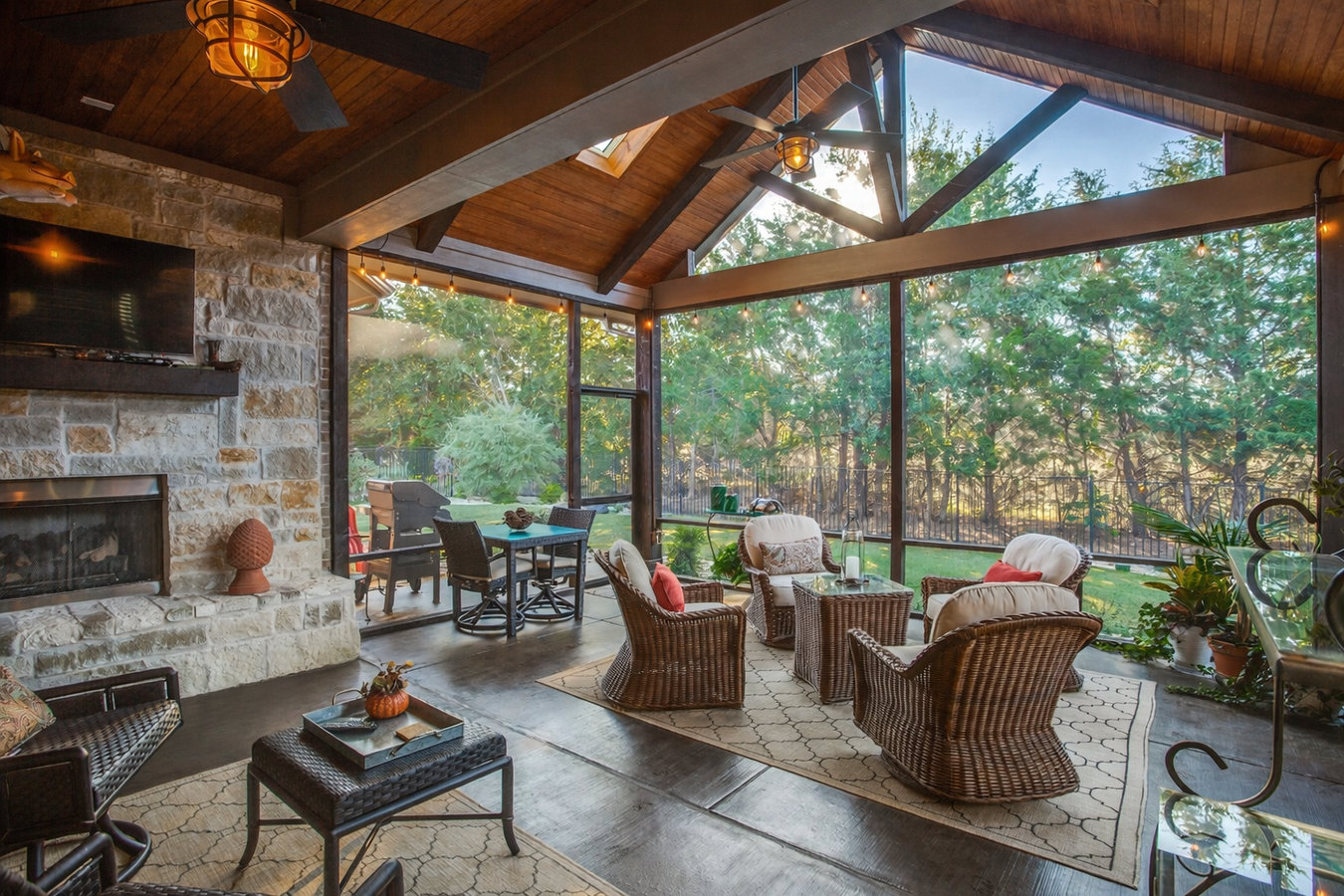
No two homes in St. Augustine look the same - from late 19th-century wood-frame cottages in Lincolnville to mid-century concrete block homes on Anastasia Island. Our custom sunrooms are designed to match the existing roofline, exterior materials, and proportions of your specific home so the addition looks like it was always there - something that matters especially near the historic district.
St. Augustine summers bring daily afternoon thunderstorms and humidity that make open patios uncomfortable from June through September. A patio enclosure - screened or glass-paneled - gives you back those months and protects outdoor furniture from the relentless sun and rain that ages everything quickly this close to the Atlantic coast.
St. Augustine has genuinely pleasant weather from October through April, and a four season sunroom lets you take full advantage of it without battling summer heat or the occasional January cold snap. Insulated wall systems and coastal-rated low-emissivity glass keep the room comfortable year-round in St. Augustine's humid, salt-adjacent climate.
Screen rooms are a practical, lower-cost option for St. Augustine homeowners who want bug protection and shade without a fully enclosed room. Aluminum frames powder-coated for coastal conditions hold up far better than standard hardware in St. Augustine's salt air, and properly anchored framing stays intact through wind events that a lighter structure would not survive.
Adding a sunroom to a St. Augustine home used as a vacation rental or bed-and-breakfast improves the guest experience and adds a photographable amenity to your listing. For owner-occupied homes, it adds livable square footage that shows up in an appraisal - at a significantly lower cost per square foot than a traditional room addition.
For St. Augustine homeowners who want shade and rain protection without enclosing the space, a solid or louvered patio cover is a straightforward solution. It also slows the weathering that St. Augustine's sun and salt air cause on exposed concrete slabs - a practical benefit for properties where outdoor entertaining is a priority year-round.
St. Augustine is one of the oldest cities in the United States, and its housing stock reflects that history in a way that most Florida cities do not. Older wood-frame homes in the historic district and neighborhoods like Lincolnville were built before modern insulation, moisture barriers, and Florida building codes existed. After decades of high humidity and salt air exposure, these homes commonly have rot around exterior trim, settling at the foundation, and moisture damage under siding - conditions that need to be assessed and addressed before any new structure is attached. A contractor who normally works on newer Florida construction may not know what to look for.
Beyond the historic core, St. Augustine spans a wide range of building types. Anastasia Island has mid-century and newer concrete block homes that sit close to the ocean and deal with direct salt air exposure - which demands different material specifications than an inland suburb. Properties near the Matanzas River sit at or near sea level, and shallow water tables mean drainage prep is essential before any slab work begins. St. Johns County's building permit process is rigorous, and homes within the Historic Preservation District require an additional layer of review from the City of St. Augustine Historic Preservation Board before work can start.
Our crew works throughout St. Augustine regularly, and we understand the local conditions that affect sunroom contractor work here. We pull permits through St. Johns County Building Services and are familiar with the additional review requirements for properties in and near the historic district. The variety of housing in this city - from late 1800s wood-frame cottages near St. George Street to 1980s concrete block homes on Anastasia Island - means we come to every site visit prepared to assess what is actually there, not what we expect based on the address.
St. Augustine's layout is anchored by the historic waterfront, the Castillo de San Marcos, and the Bridge of Lions connecting downtown to Anastasia Island. We work on homes on both sides of that bridge - in the historic neighborhoods near the water and in the residential areas farther east on the island. Each part of town has its own drainage conditions, soil characteristics, and exposure levels that shape how we design and anchor a sunroom or enclosure.
We also regularly serve homeowners in St. Augustine Beach - just south on Anastasia Island - and in Ponte Vedra Beach to the north. Working across all three communities means we understand the range of coastal conditions and property types throughout St. Johns County.
We respond within one business day. We will ask about your address, your home type, and whether you are in a historic district or HOA - details that affect the timeline before we even visit the site.
We visit your St. Augustine property to assess the existing structure, drainage, and coastal exposure conditions. The written estimate covers materials, labor, coastal-grade hardware, and the permit fee - no vague line items that expand later.
We submit to St. Johns County Building Services and, where required, to the Historic Preservation Board. Review timelines in St. Augustine can run longer than in surrounding counties - we build that into the schedule from the start so it does not surprise you.
On-site construction typically runs two to five weeks. We schedule the St. Johns County final inspection and walk through the finished room with you before closing out the project - you leave with the inspection certificate in hand.
We serve homeowners throughout St. Augustine and St. Johns County, including historic district properties. Free on-site estimates and response within one business day.
(386) 529-0883St. Augustine is one of the oldest cities in the United States, founded in 1565, and that history is visible in its neighborhoods and housing stock in ways you do not find anywhere else in Florida. The historic district around St. George Street and the waterfront is dense with older wood-frame and masonry buildings, many still in residential use. The Lincolnville neighborhood, just south of the historic core, has late 19th and early 20th century homes that reflect the city's layered architectural history. Across the Bridge of Lions, Anastasia Island has a different character altogether - more mid-century and newer construction, closer to the ocean, and dealing with the direct salt air exposure that changes how exterior work needs to be specified. More about the city's character at the St. Augustine Wikipedia article.
Despite a permanent population of around 15,000 residents, St. Augustine draws millions of visitors each year - which means a significant share of properties near the historic district function as vacation rentals or bed-and-breakfasts alongside owner-occupied homes. Homeowners here tend to invest in the condition of their properties, and home values are well above the Florida statewide median. Neighbors to the south in St. Augustine Beach face many of the same coastal conditions, and to the north, Ponte Vedra Beach has a newer, higher-end residential mix - both communities we serve regularly.
Keep bugs out and breezes in with a professionally installed screen room.
Learn MoreGlass solarium installations that flood your home with natural light.
Learn MoreDurable patio cover installations for shade and all-weather protection.
Learn MorePalm Coast Lanai Sunrooms & Patios works with homeowners throughout St. Augustine, from historic district properties to Anastasia Island. Call today or fill out our form and we will respond within one business day.