Loading...
Serving Palm Coast, FL and surrounding areas. (386) 529-0883
Palm Coast Lanai Sunrooms & Patios installs patio enclosures, screen rooms, and sunrooms throughout Flagler Beach - using materials rated for salt air, wind, and Florida's coastal building code, with free estimates and permits handled for you.
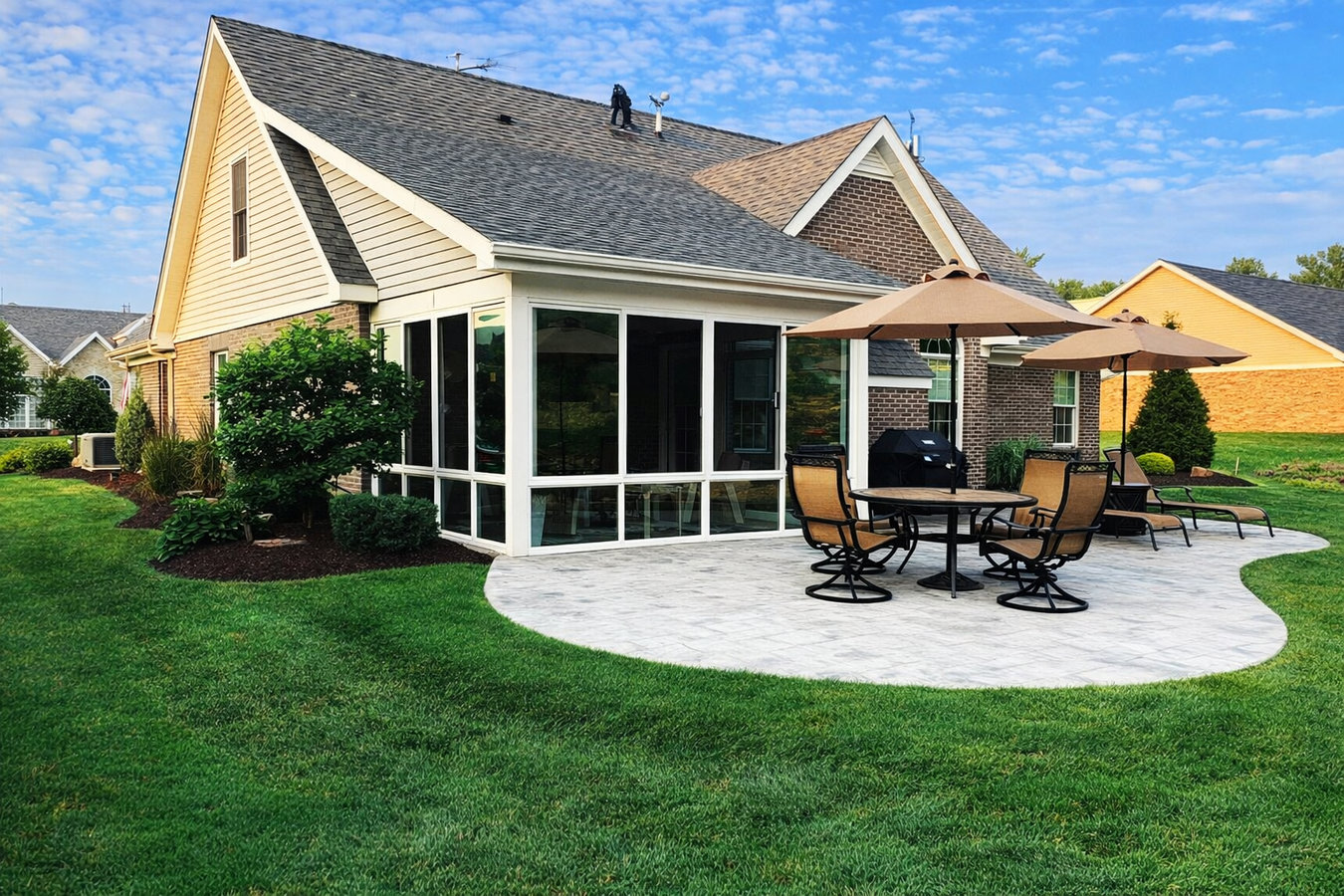
Flagler Beach homeowners deal with two things most inland homeowners do not: salt air that corrodes standard metal components, and storm surge risk that makes proper anchoring non-negotiable. Our patio enclosures use coastal-rated aluminum framing, stainless hardware, and glazing specified for marine environments - built to Florida's wind-load code and inspected by Flagler County before you sign off.
A screened room in Flagler Beach has to hold up through hurricane season and salt-air exposure year-round. We install aluminum-framed screen rooms anchored to meet Florida's coastal wind requirements and specify screen mesh rated for UV and coastal humidity - so you are not re-screening every two years.
Flagler Beach homes sit on modest lots, often within blocks of the Atlantic, and a properly built sunroom addition lets residents take in the coastal setting without the heat, the bugs, or the afternoon downpours. Insulated panels and impact-rated windows keep the room comfortable and protected whether the weather is calm or threatening.
Flagler Beach's temperate winters and breezy coastal climate make three season rooms a practical option for homeowners who want protected outdoor living without full HVAC. The cooler months - October through April - are genuinely comfortable outdoors here, and a screened or vented three season room extends that usable window without the cost of a fully conditioned addition.
Vinyl framing resists salt-air corrosion better than many other materials and requires less maintenance over time - a meaningful advantage for Flagler Beach properties close to the ocean. Vinyl sunrooms offer a durable, low-maintenance option for homeowners who want the enclosed-room feel without the upkeep of painted or powder-coated frames.
Many Flagler Beach homes have an existing covered patio slab that sits exposed to sea breeze and afternoon storms. Converting that footprint into an enclosed sunroom uses the existing concrete work as a starting point, reducing excavation and site prep time while giving the space proper walls, a sealed roof, and protection from the coastal elements.
Flagler Beach sits directly on the Atlantic coast, with State Road A1A running through the heart of town along the ocean. That location is why people choose to live here - and it is also why standard construction materials and methods that work fine a few miles inland do not always hold up in Flagler Beach. Salt air corrodes standard metal fasteners, fades paint faster, and degrades caulk and roofing materials at a pace that surprises homeowners who moved here from elsewhere. A patio enclosure or sunroom built without coastal-rated materials will start showing those problems within a few years.
Hurricane Nicole made direct landfall near Flagler Beach in November 2022, and the damage to homes and outdoor structures throughout town was significant. Florida's wind-load requirements for attached enclosures exist precisely to limit that kind of damage, and Flagler County Building Services enforces those standards through the permit and inspection process. Homeowners whose enclosures were properly permitted and built to code came through the storm far better than those whose structures were not. Beyond storm risk, many Flagler Beach properties near the ocean or the Intracoastal Waterway fall within FEMA flood zones, which adds building code requirements that a contractor unfamiliar with this specific market may not know to check for upfront.
Our crew works throughout Flagler Beach regularly, and we pull permits through Flagler County Building Services for projects across the city. The homes here span a range of ages - from mid-century cottages closest to the water to 1970s and 1980s construction that makes up most of the residential stock, and newer builds that have come in as the county has grown. Each era of construction brings its own quirks, and coastal exposure means we always check the condition of an existing slab or foundation before committing to an enclosure design.
Whether a home sits on A1A itself with direct ocean exposure, backs up to the Intracoastal Waterway on the west side of town, or sits a few blocks inland near Gamble Rogers Memorial State Recreation Area, we know what salt air does to different materials at different distances from the water. We specify accordingly - not to upsell, but because the right material choice at installation is far cheaper than a premature replacement in five years.
We also serve homeowners in Palm Coast to the west and Bunnell further inland - working across all three communities means we understand how the same Flagler County permit office handles projects with very different site conditions, from canal-front Palm Coast lots to coastal Flagler Beach properties in flood zones.
We respond within one business day. We will ask about your home's distance from the water and whether your property is in a flood zone - both matter for material selection and permitting, and we want to know before we come out.
We visit your home, measure the space, and assess the existing slab or foundation. We also note the property's exposure level and check whether your lot has any flood zone designations that affect permitting. This visit is free. You leave it knowing what is possible and what it will cost.
We submit to Flagler County Building Services and handle any flood zone documentation required for your lot. County review typically takes two to four weeks. You do not visit any offices, fill out forms, or follow up on the application - we do all of that.
Once permits are in hand, most enclosures take one to three weeks to build. We schedule all county inspections and are on-site for them. After the final inspection passes, we walk through the finished space with you and leave your permit documents on record - useful for insurance and for resale.
We know coastal construction in Flagler Beach. Free estimates, no obligation.
(386) 529-0883Flagler Beach is a small city of around 5,000 residents sitting directly on Florida's northeast Atlantic coast in Flagler County. It is the kind of place people choose deliberately - quieter than Daytona Beach to the south and less developed than St. Augustine to the north. State Road A1A runs directly through the heart of town along the ocean, and the Flagler Beach Pier - stretching out over the Atlantic - has been a landmark for generations of locals and visitors. Most of the housing stock was built between the 1970s and 1990s, with a mix of single-family homes on narrow beach-town lots, some backing up to the Intracoastal Waterway on the west side. You can find more on the city's character and history on the Flagler Beach Wikipedia page.
Just south of the city, Gamble Rogers Memorial State Recreation Area hugs the coastline and provides a park space that nearly every Flagler Beach resident knows. Flagler County as a whole has been one of Florida's fastest-growing counties in recent years, which means new construction has come alongside the older homes - but the character of Flagler Beach itself has stayed residential and close-knit. Homeowners throughout town have neighbors in Palm Coast just to the west, and in Bunnell a few miles further inland - both part of the same Flagler County community we serve.
Keep bugs out and breezes in with a professionally installed screen room.
Learn MoreGlass solarium installations that flood your home with natural light.
Learn MoreDurable patio cover installations for shade and all-weather protection.
Learn MoreAll projects are permitted through Flagler County. We know what coastal builds require - and we build to last.