Loading...
Serving Palm Coast, FL and surrounding areas. (386) 529-0883
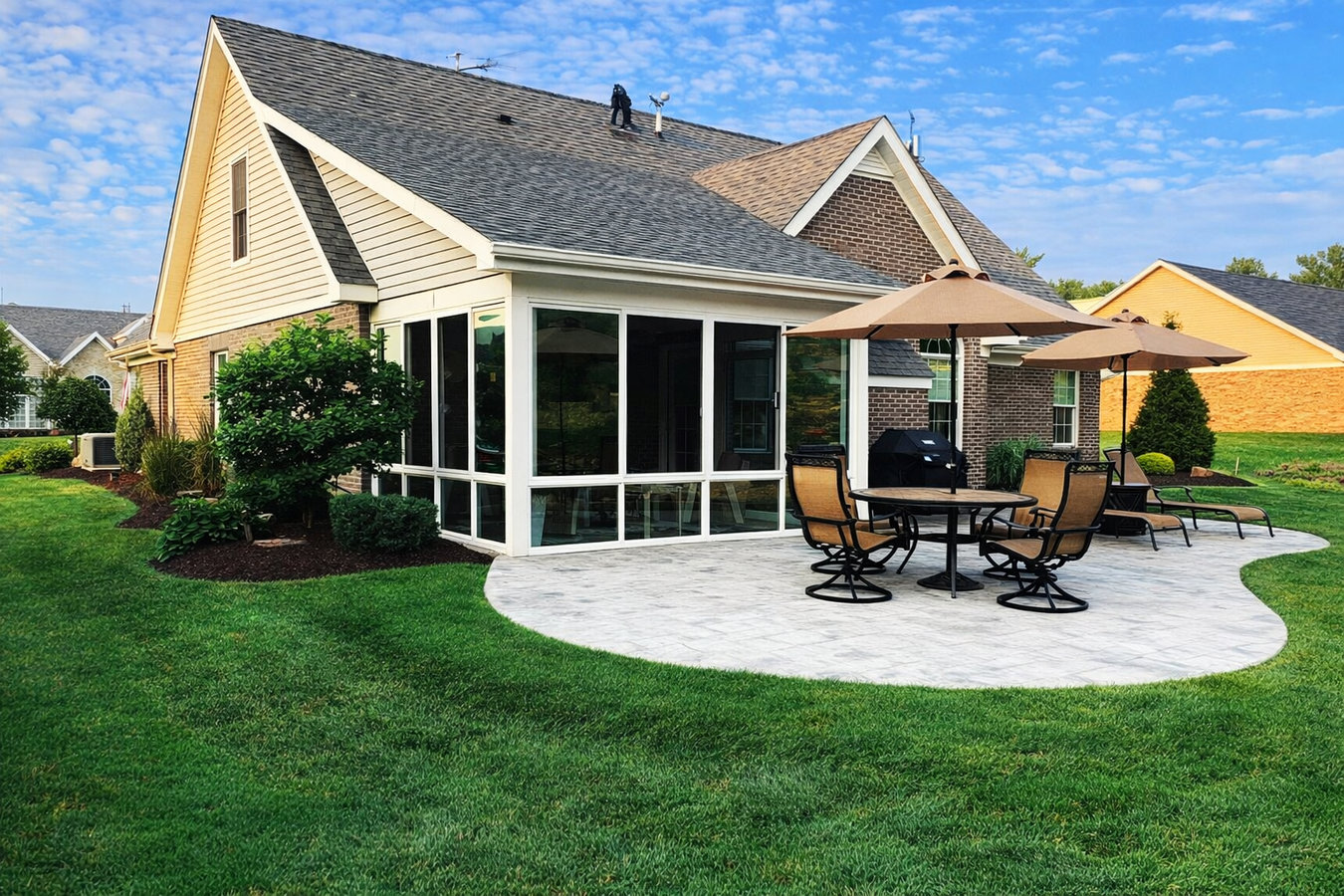
Your Palm Coast patio is already there - bugs, rain, and afternoon heat are just keeping you from using it. A properly built patio enclosure turns that unused slab into livable space you can actually enjoy, built to Florida's wind standards and fully permitted.
Patio enclosures in Palm Coast convert your existing outdoor patio into a protected living space by adding walls, a roof, and screen or glass panels - sitting between a fully open patio and a full room addition - with most projects completing construction in one to three weeks once Flagler County permits are approved.
Most Palm Coast homeowners who contact us have already lost too many evenings to mosquitoes, too many weekend mornings to afternoon thunderstorms, or too many years to patio furniture that keeps getting destroyed by UV exposure and humidity. A patio enclosure is the most direct solution: it turns square footage you already own into a room you can actually use, without the cost or footprint of building from scratch. If you are not yet sure whether a full enclosure is the right step or whether a simpler option might meet your needs, our custom sunrooms page walks through the range of options we offer.
Because a patio enclosure is a permanent structure attached to your home, it requires a Flagler County building permit and, in many Palm Coast neighborhoods, HOA architectural review approval. A contractor who handles both processes routinely - and knows the local review timeline - is the difference between a project that runs smoothly and one that stalls for weeks at the permit stage.
Palm Coast's warm, humid summers create ideal conditions for mosquitoes and no-see-ums from May through October. If you find yourself avoiding your patio for most of the year because of bugs or the brutal afternoon sun, your outdoor space is not working for you. An enclosure gives it back - screen or glass panels cut out both problems in one project.
Florida's afternoon thunderstorms are a near-daily event from June through September in Palm Coast, and an open patio means you are constantly retreating inside. If your patio furniture spends more time wet than dry, or you have stopped setting up for outdoor meals because the weather is too unpredictable, an enclosure solves that directly. You get to stay outside even when it is pouring.
Fading cushions, stained patio tiles, rusting furniture frames - these are signs your patio is taking a steady beating from UV exposure and moisture. In Palm Coast's salt-air coastal environment, that wear happens faster than most homeowners expect. An enclosure protects your outdoor investment and keeps the space looking presentable for years longer.
If your home feels tight but a full room addition is out of budget, your existing patio footprint may be the most affordable path to more space. An enclosure converts square footage you already have into a room you can live in - without the cost or disruption of breaking new ground. Many Palm Coast homeowners use the finished space as a home office, dining room, or relaxed lounge.
Every patio enclosure we build in Palm Coast starts with an assessment of your existing slab and roof line, then a frame design engineered to meet Florida's wind-load requirements. From there, you choose your panel system. Screen enclosures use aluminum framing and fine mesh screening - the most affordable option, with excellent airflow and full bug protection, ideal for the long mild stretch from October through May. Glass enclosures use solid panels - single-pane or insulated - that block rain and wind, extend the usable season further into summer, and offer the option to add cooling for true year-round comfort. Many Palm Coast homeowners choose a hybrid: glass on the side that takes the most weather, screens where airflow matters more. For homeowners who want a fully custom space designed around a specific layout or aesthetic, our custom sunrooms service covers that path in detail.
We handle the entire permit and HOA process alongside the construction work. That means the Flagler County building permit application, all inspection scheduling, and where your neighborhood requires it, the HOA architectural review submission. Once the county inspector signs off, you receive a certificate of completion to keep with your home records. If you are weighing whether a full enclosure or a simpler screen room is the right fit, our enclosed patio rooms page covers the middle-ground option worth considering.
Best for homeowners who want a fully designed space with specific layout, materials, and aesthetic choices built around their home and lifestyle.
Best for homeowners who want a protected, finished patio room without the full custom-design process or the highest price tier.
Palm Coast sits in Flagler County on Florida's northeast coast, which puts it in a wind-borne debris region under Florida's statewide building code. Every patio enclosure attached to a home here must be engineered to handle high winds - not just a standard afternoon thunderstorm - and the county inspector will verify this before the permit closes. This is not bureaucratic red tape. It is the difference between a structure that survives a serious storm and one that becomes a projectile. A contractor who builds to these standards is not overbuilding; they are protecting your investment and the homes around you. For homeowners near Flagler Beach, where salt air and coastal wind exposure are more direct, material choices are especially important - we specify corrosion-resistant hardware and powder-coated aluminum framing on every build. The Florida Building Commission maintains the product approval database contractors reference for wind-rated structural components.
The local soil adds another layer of complexity. Much of Palm Coast sits on sandy coastal soil that drains well but shifts more than denser soils, especially during dry stretches. For an attached patio enclosure, the anchoring into your existing slab or foundation needs to account for this movement or the structure will begin to lean or crack within a few years. Palm Coast was also developed as a master-planned community by ITT Corporation beginning in the 1970s, and a large share of its neighborhoods still operate under HOA covenants with architectural review requirements for exterior additions. We regularly handle HOA submissions for customers in communities throughout the area, and homeowners near Ormond Beach and other parts of Flagler and Volusia counties follow similar permit and review processes. The Florida Solar Energy Center has useful guidance on glazing choices that reduce heat gain - a relevant consideration for any glass enclosure in this climate.
We respond within one business day. Before we visit, we ask a few questions - patio size, how you want to use the space, whether you have an HOA - so we arrive with relevant ideas rather than a generic sales pitch. You do not need to have all the answers ready.
We visit your home to measure the patio, review the existing roof line and slab, and discuss enclosure options in person. The visit takes about an hour. You receive a written quote that separates materials from labor so you can compare any other bids you receive fairly.
After you sign, we file the Flagler County permit application and, if needed, prepare your HOA architectural review packet. Both processes run at the same time. County review typically takes two to four weeks - you do not need to visit any offices or fill out any forms yourself.
Construction runs one to three weeks depending on size. County inspections happen at set points during the build - we schedule and attend these. After the final inspection passes, we walk you through the finished space and hand over your permit and inspection certificate.
Free on-site estimate. Written quote with materials and labor itemized separately. We handle permits and HOA submissions from start to finish - no offices to visit, no forms to fill out.
(386) 529-0883We file the Flagler County building permit, schedule every required inspection, and attend each one. The permit closes under our license. You never need to contact the county yourself or track down paperwork - we handle it as part of the project, not as an add-on.
Every enclosure we build uses framing, anchoring, and glazing rated for Florida's wind requirements. We can show you documentation on the materials before work begins. A county inspector verifies this independently before the permit closes, giving you a third-party confirmation that the structure is built to code.
Palm Coast's planned-community history means a high share of neighborhoods require architectural review before exterior work begins. We have prepared HOA submissions across Palm Coast communities and know what details each type of association looks for, which reduces revision rounds and keeps the approval timeline on track. See NARI for contractor standards we uphold.
You receive a detailed, itemized written estimate before we file the permit or order a single material. Any scope change is agreed to in writing before it happens. Unexpected cost increases mid-project are one of the most common homeowner complaints in this market - our process is designed so that does not happen to you.
The combination of transparent pricing, permit management, and Florida-appropriate materials is what turns a patio enclosure into an asset that adds real value rather than a source of ongoing repairs and paperwork problems.
Fully designed from the ground up with custom layouts, materials, and finishes matched to your home and how you want to use the space.
Learn MoreA finished, protected patio room for homeowners who want solid coverage and livable space without the full custom-design process.
Learn MorePermit slots fill up fast before summer - contact us now and lock in your start date before the busy season makes scheduling harder.